The Night Root
Valerian root essential oil is not for the timid nose, and that is exactly its charm. Steam-distilled from the roots of Valeriana officinalis, it offers a deep, musky, ancient-forest aroma that natural perfumers prize for nocturnal, earthy compositions.
Trace amounts of valerian deepen an evening diffuser blend when paired with lighter florals or citrus.
Explore →Bring damp-woodland depth to cold-process soap by blending valerian with cedarwood, patchouli, or vetiver.
Explore →Natural perfumers reach for valerian as a bold, animalic base note beneath softer heart notes.
Explore →Soap houses, candle studios, and formulators order valerian oil by the pound once a blend is proven.
Explore →
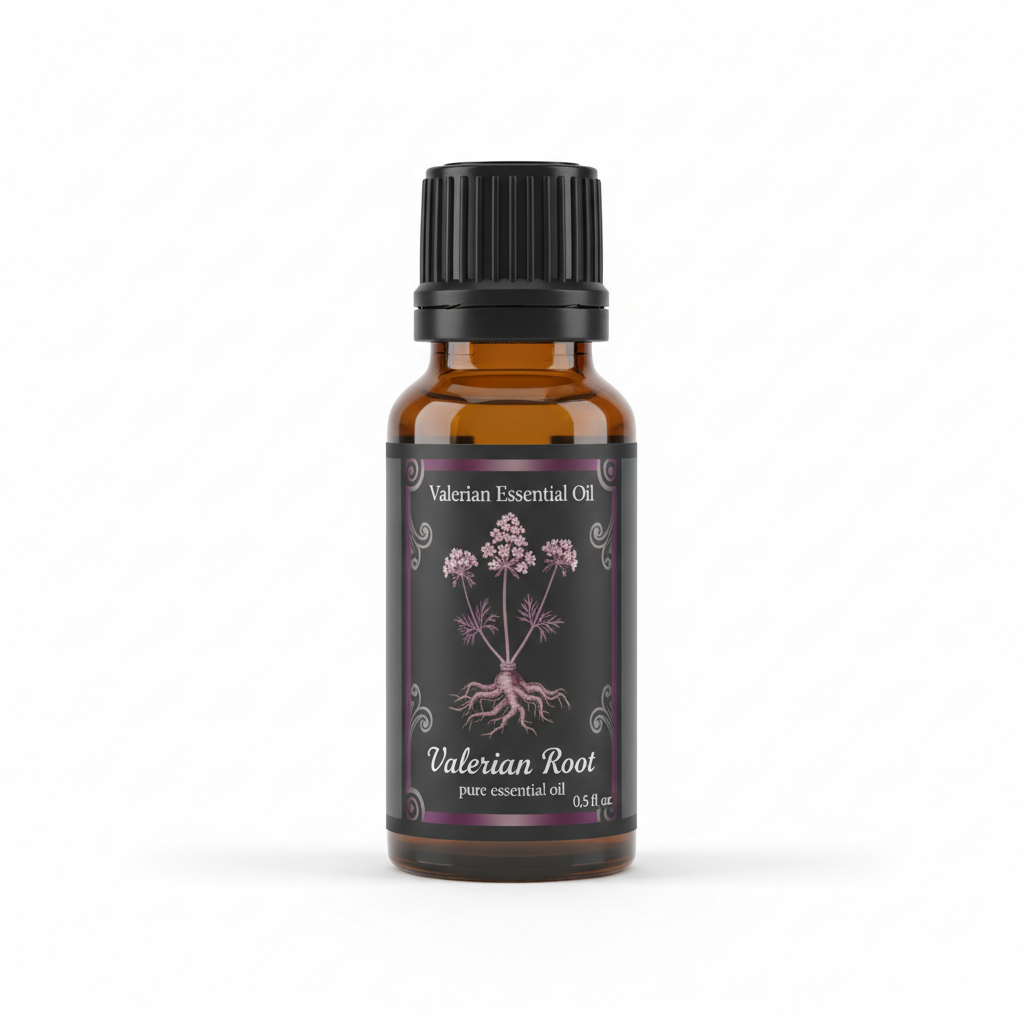
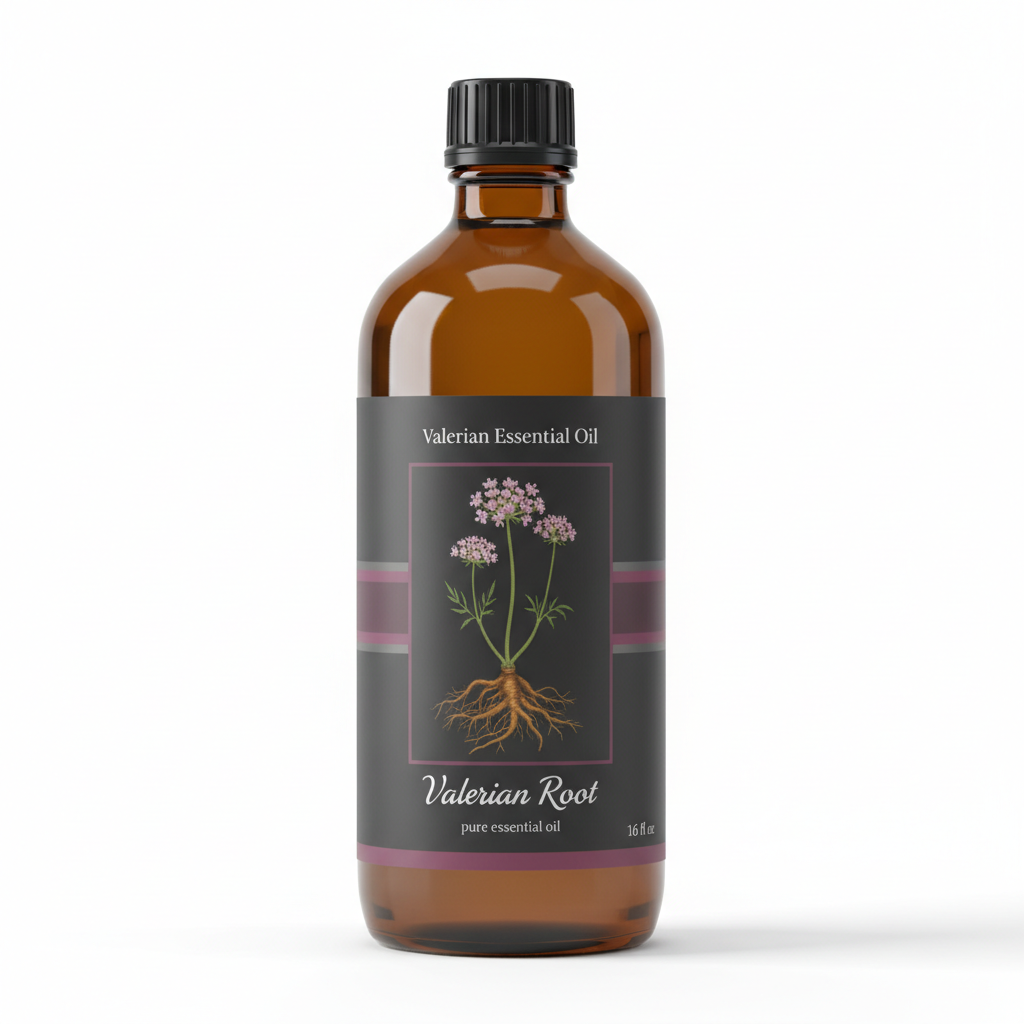
Evaluation Bottle
Test valerian's earthy depth in a single diffuser blend or soap trial before committing further.
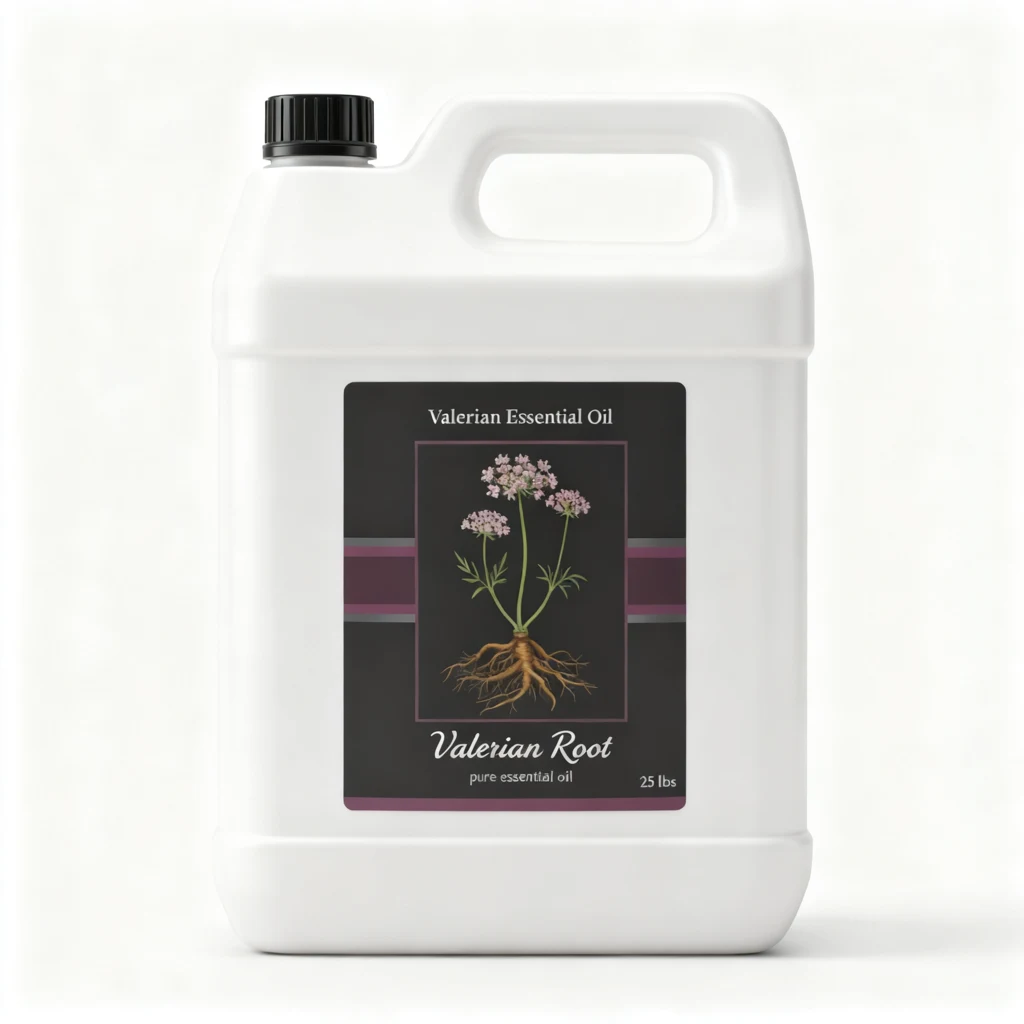
Pilot Batch
Run a real test batch of soap, candles, or a perfume accord at working-studio scale.
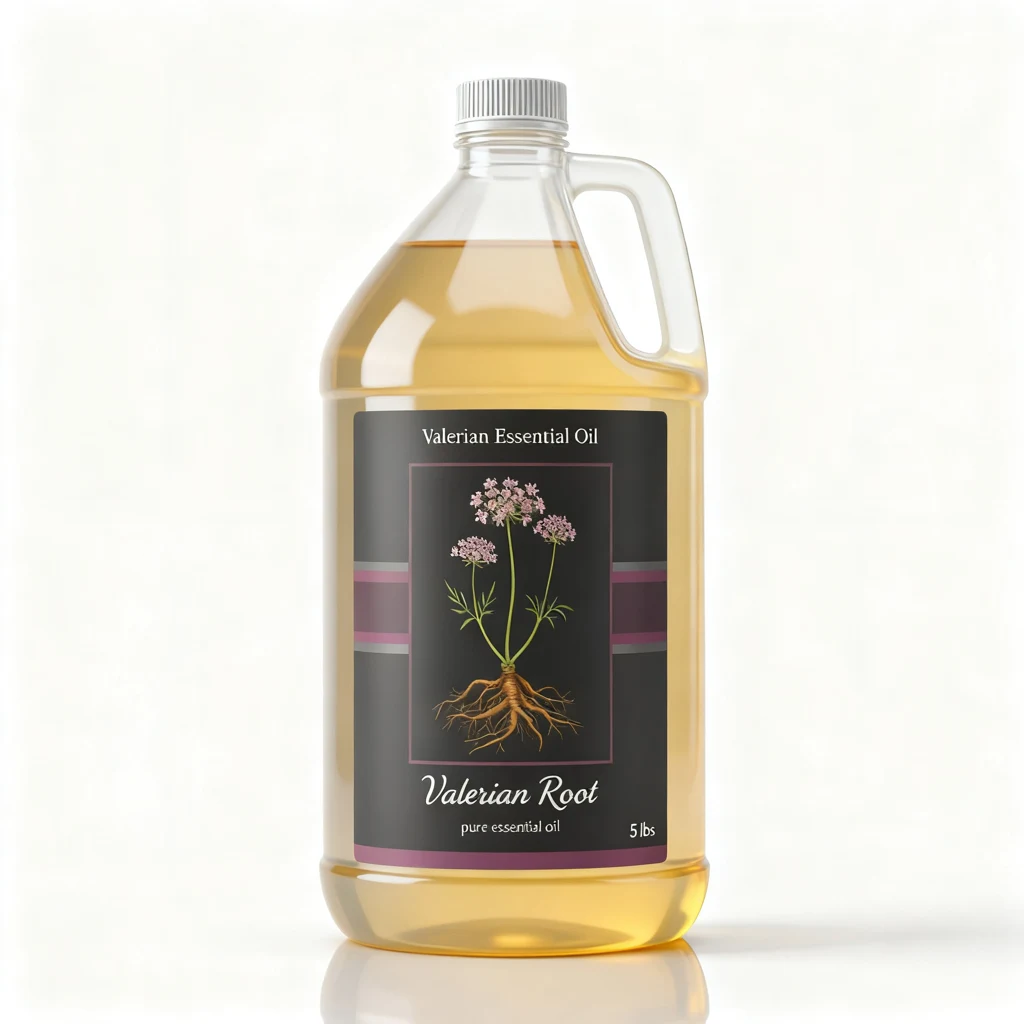
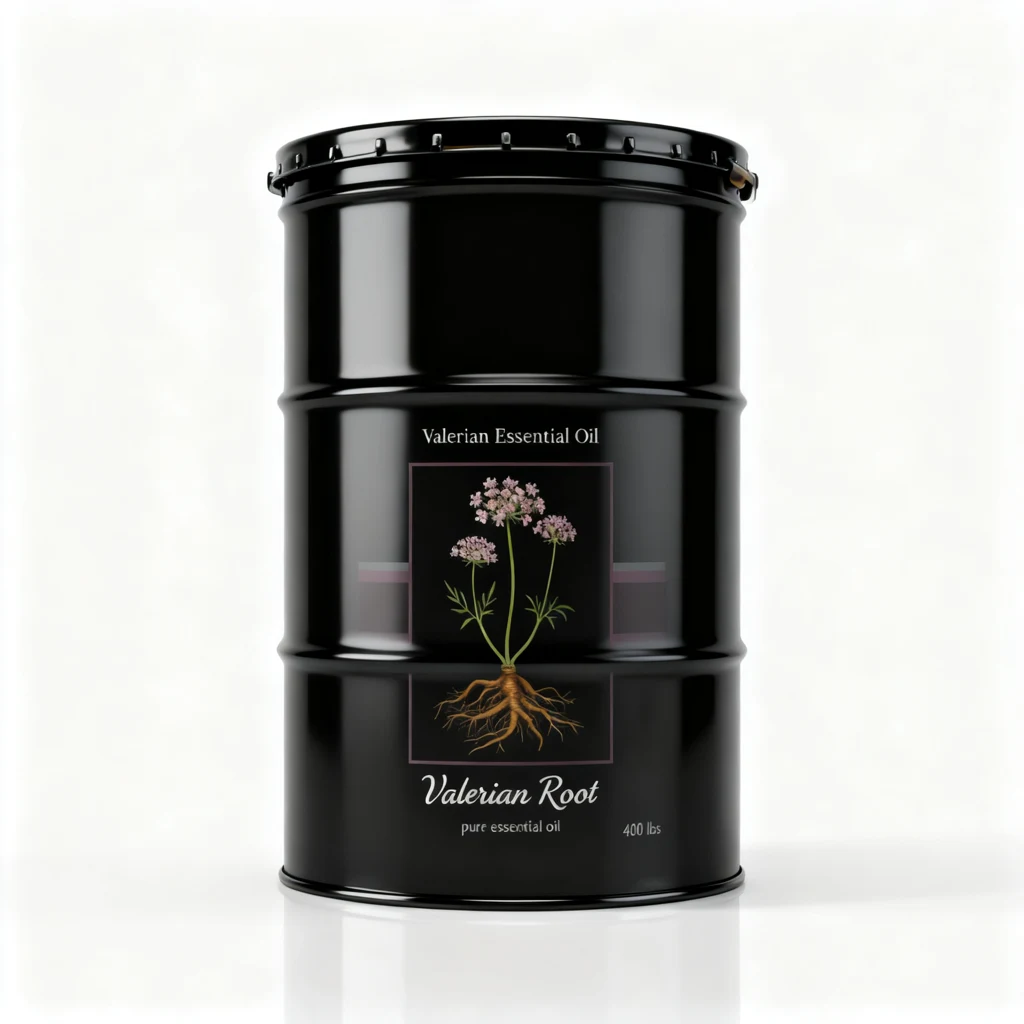
First Production Run
Step into production pricing once your blend is set, with cost per ounce dropping sharply.
Valerian essential oil is steam-distilled from the dried roots and rhizomes of Valeriana officinalis, a tall flowering plant of European meadows whose root has been gathered since Greek and Roman times. The distilled oil is dark, viscous, and dramatically aromatic.
The scent is intensely earthy and musky, with damp woodland, aged wood, and animalic facets that mellow into a curious balsamic sweetness on the drydown. In natural perfumery it is a character base note, used in traces beside patchouli, vetiver, cedarwood, and lavender.
Valerian belongs to nighttime rituals and adventurous blending: a whisper in an evening diffuser blend, a trace note in forest-themed perfume accords, and a conversation piece in any serious oil collection. Cats, famously, find the scent irresistible, so keep the bottle tightly capped and stashed away.
Twelve guides that answer the questions new valerian buyers ask first.
Ratios, carrier oils and the mistakes that let one drop too many take over a blend.
Read the guide →Decide whether a blend should hide the root or let it lead, with worked examples.
Read the guide →The bold root and the soft floral set side by side on scent, cost and use.
Read the guide →How the root traveled from ancient apothecary shelves to the modern steam still.
Read the guide →Dark glass, tight caps and a cool drawer keep this big aroma from thinning out.
Read the guide →Why valerian's deep, smoky character belongs to the closed-up evenings of the colder months.
Read the guide →Bottles worth giving to someone with an adventurous nose, and the ones to skip.
Read the guide →Why felines flip for this root, how it compares to catnip, and what pet owners should know.
Read the guide →The cup and the bottle come from the same plant and serve very different evening habits.
Read the guide →One reader's diffuser routine, built over several weeks, with the ratios that finally worked.
Read the guide →Why a small bottle wins with this root, and how to size up once a blend is proven.
Read the guide →The constituents behind the scent, from valerenal to the isovaleric edge, explained plainly.
Read the guide →Valerian roots and rhizomes are gathered from European meadows once the plant has fully matured.
The harvested roots are cleaned, sorted, and dried before they ever reach the still.
Dried roots are steam distilled slowly to draw out valerian's dark, viscous, heavily aromatic oil.
Each finished batch is lab tested and the results are published as a certificate of analysis.
The tested oil is bottled promptly and stored away from heat and light until it ships.
Valerian's aroma is distinctive enough that an off batch is easy to notice, and that same directness carries into how the oil is documented. Every run through our still is lab tested before a single bottle is filled.
The current batch's certificate of analysis is published on this site, so buyers can see for themselves what left the still rather than taking a label's word for it. Check the results before you order, whether you need one bottle or a full production size.
| Distilled Root Oil | Synthetic Fragrance Oil | |
|---|---|---|
| Source | Steam-distilled from real valerian root and rhizome | Compounded from synthetic aroma chemicals in a lab |
| Aroma | Earthy, musky, and animalic with a natural drydown | A flat, single-note approximation of 'earthy' scent |
| Composition | A complex natural mix from one root species | A fixed recipe of a few isolated compounds |
| Documentation | Backed by a published batch certificate of analysis | Typically sold with no batch testing at all |
| Best for | Perfumery, soap, and blends wanting real root depth | Cheap mass-market candles needing a rough approximation |
Every bottle comes from Valeriana officinalis alone, no substitute roots blended in.
Root and rhizome are sourced from European meadows where valerian grows wild.
Only the plant's underground parts go into the still, not the leaf.
The oil is drawn out by steam distillation, not solvent extraction.
These reader projects show how a little valerian goes a long way in soap, sprays, and blends.
Soap houses, candle studios, and independent perfumers order valerian oil by the pound once a blend earns a permanent spot in their line, since sampling small and repeating exactly what worked matters more than guessing at a new source each time. Every bulk size ships with the same lab results posted for the smaller bottles, so a five-pound order is checkable in exactly the same way a half-ounce sample is.
Blend valerian into forest-themed soap lines without re-testing a new source every batch.
See the guide →Layer valerian beneath cedar or vetiver in candle blends built for cooler-season collections.
See the guide →Secure a consistent base note supply for natural perfume accords built around valerian.
See the guide →